High-end restaurants in Tsukiji [Budget JPY15,000from30,000]

Photograph:すみログちゃんねる
Sakuragi is a high-end Japanese restaurant that focuses on serving dishes freshly made.
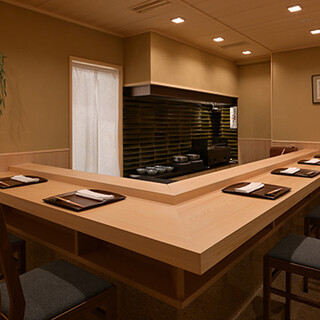
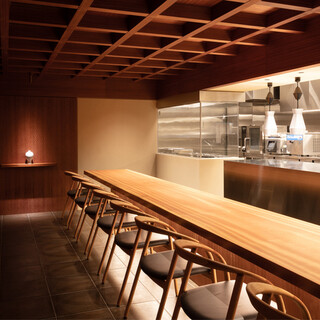
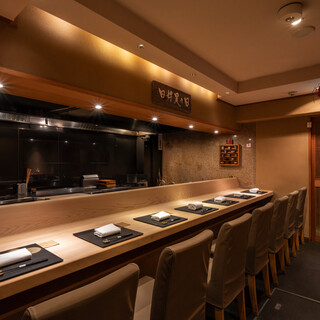
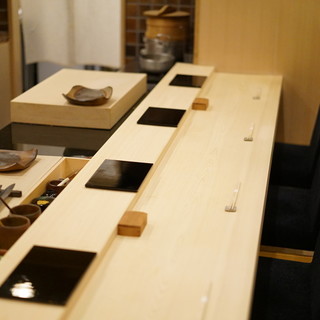
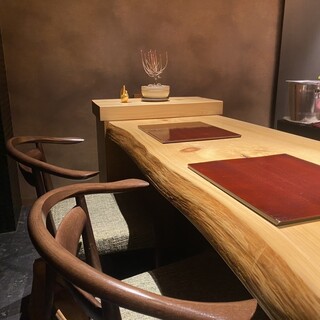
The interior, with earthen walls and wood accents, has a refined atmosphere. There are 8 hinoki (Japanese cypress) counter seats, where you can directly take in the sounds and aromas of the cooking.
Photograph:srkabachan
The menu offers just one monthly changing course, serving about 10 dishes made with Special ingredients and seasoned skill.
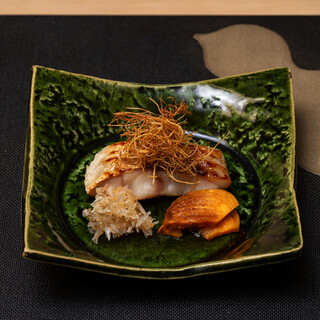
They also pay close attention to the tableware that brings out the dishes, with a wide selection ranging from antiques to pieces by contemporary artists.
Photograph:goro58397
The sashimi platter changes with the seasons and uses fresh seafood that the head chef personally goes to Toyosu Market to buy every morning.
Another draw is the chance to enjoy rare ingredients such as fugu (pufferfish), shiro-amadai (white tilefish), and matsukawa-garei (Matsukawa flounder).

アジア好き
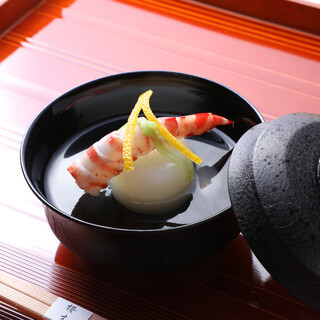
・Kuruma ebi (tiger prawn) and Chinese cabbage soup
The katsuobushi (bonito flakes) dashi, lightly heated, has a clear taste and a gentle aroma that is not too strong. The kuruma ebi is plump and has a nice sweetness. The Chinese cabbage soaks up the dashi, bringing out its natural sweetness.
Source:アジア好き's review

Lady hana
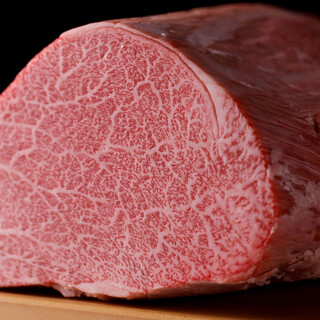
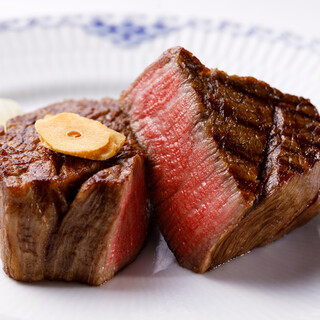
Saga beef (premium wagyu from Saga) has a standout presence. It has fine marbling, a melt-in-your-mouth softness, and rich flavor. It pairs perfectly with rice cooked in a Clay Pot.
Source:Lady hana's review
The Tabelog Award 2026 Bronze winner
Selected for Tabelog Japanese cuisine TOKYO "Tabelog 100" 2025
Sakuragi
Tsukiji Sta. / Japanese Cuisine
-
JPY 20,000 - JPY 29,999
-
-
-
-
東京都中央区築地3-7-2第五銀座ウェスト築地ビル 2F
Reserve online now
See all reviews for this restaurant
Photograph:カフェモカ男
"PRIMO PASSO" is an upscale Italian restaurant where pasta takes center stage. The interior, with its use of wood and earthen walls, has an Italian style yet also gives off a subtle Japanese feel.
The live atmosphere you get from the open kitchen is also said to be one of its charms.
Photograph:充たされざる者
The restaurant offers an Omakase course built around 5 pasta dishes. It uses Special ingredients carefully selected from different production regions and turns them into refined plates.
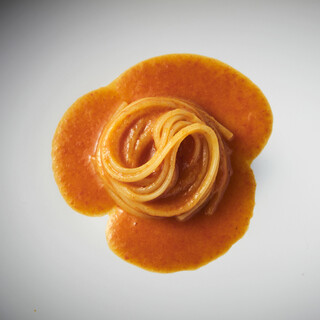
The lineup also includes memorable pasta dishes such as ravioli made with black truffle and tagliolini served cappuccino-style.
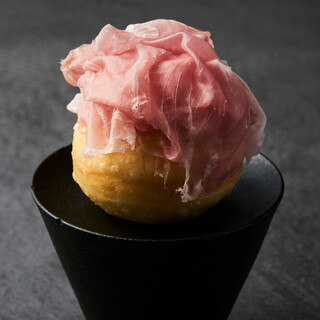
You can see the care that goes into dishes beyond pasta as well, such as risotto that makes the most of asari (short-neck clams) stock and fried pizza made with ume (Japanese plum) jelly.
It is well known for delicate flavors that blend Japanese elements with Italian cuisine.

アル中日記
Each plate was finished to a high level, and the course built around pasta was especially impressive. While making the most of the quality of the ingredients, the careful cooking and well planned balance of the sauces created flavors that were simple yet stayed clearly in my memory. The pairing menu also complemented the food well, and it was appealing that I could enjoy a wide range of combinations, not just wine.
Source:アル中日記's review

ミトミえもん
・Gnocchi, Beni Haruka (Japanese sweet potato), black truffle
The sticky texture mixes with the richness of a soft-cooked egg, and the red wine-braised pork adds weight all at once. The layers of umami are deep. Then the kikuimo (Jerusalem artichoke) pickles add acidity, giving the sweetness and fat a sharper edge. It is finished with Italian black truffle. Its earthy aroma covers the whole dish and deepens the density of the fragrance.
Source:ミトミえもん's review
The Tabelog Award 2026 Bronze winner
Selected for Tabelog Italian TOKYO "Tabelog 100" 2025
PRIMO PASSO
Shintomicho Sta. / Italian, Creative
-
JPY 20,000 - JPY 29,999
-
-
-
Tuesday, Wednesday
東京都中央区築地1-5-11ACN築地ビル B1F
See all reviews for this restaurant
Photograph:YaKu
Ginza Ichiniki is a high end Japanese restaurant with a refined space wrapped in the warmth of wood.
Inside, softly lit lighting creates a calm mood, and in addition to counter seats, the restaurant also offers Private room seating, so guests can enjoy their meal at a relaxed pace.
Photograph:baashi
The cuisine makes generous use of seasonal ingredients and uses fresh produce sourced from around the country.
Without overworking the ingredients, the dishes bring out their natural flavors, letting you slowly savor the tastes of each season.
Photograph:氷川参道
The popular "Matsu" course includes their specialty, katsuo (bonito) straw seared over wara (straw).
The katsuo is grilled until fragrant while taking on the aroma of wara, and when enjoyed simply with salt or wasabi, its natural flavor stands out even more.
ma32456
The meal starts with agedashi goma-dofu (fried sesame tofu), and the warmth brings out its creamy texture and toasty aroma even more. The second dish is matsutake (pine mushroom) dobin-mushi (broth steamed in an earthenware teapot) right away. In this chilly season, warming up with a broth filled with the aroma of matsutake feels blissful. Their signature bonito straw sear also has an elegant flavor. The beautifully presented hassun platter is lovely to look at, and the kaki (persimmon) and shrimp shira-ae (tofu dressed salad) has a gentle taste.
Source:ma32456's review

01f014
The restaurant’s signature warayaki (straw-fire grilling), the seasonal matsutake dobin-mushi (steamed matsutake mushroom soup in a teapot), and the colorful hassun (seasonal appetizer platter) that whetted the appetite all lived up to expectations and delivered satisfying flavors. Among them, the komochi ayu-yaki (grilled sweetfish with roe) was especially fragrant, with the head and even the bones so tender that it was a real pleasure to eat. Paired with atsukan (warm sake), the drinks went down very smoothly.
Source:01f014's review
Selected for Tabelog Japanese cuisine TOKYO "Tabelog 100" 2025
Ginza Ibuki
Shintomicho Sta. / Japanese Cuisine
-
JPY 15,000 - JPY 19,999
-
JPY 10,000 - JPY 14,999
-
Sunday
東京都中央区銀座2-14-6第2松岡ビル B1F
Reserve online now
See all reviews for this restaurant
Photograph:みっきー0141
Sushi Keita is a high-end sushi restaurant that opened in September 2017, tucked away behind Tsukiji Hongwanji (Tsukiji Hongwanji Temple).
The restaurant is by reservation only, and the compact interior has only 8 counter seats. You can enjoy sushi carefully shaped piece by piece using Edomae (traditional Tokyo-style sushi) techniques.
Photograph:Deadblue
The neta (topping) is cut thick, giving it real presence and letting you fully enjoy the ingredient's flavor and texture.
The shari (sushi rice) is also formed a bit large, and it has a strong reputation for being very satisfying. The vinegar is mild and helps bring out the appeal of the topping.
Photograph:ぐっどいーたー
The Omakase course features not only sushi but also a la carte dishes that make the most of high quality ingredients, such as kawahagi (thread-sail filefish) dressed with liver, houbou (gurnard) sashimi, and shirauo (icefish) seafood Rice bowl.
With its wide variety, the course keeps things enjoyable all the way to the end.

中崎 健二
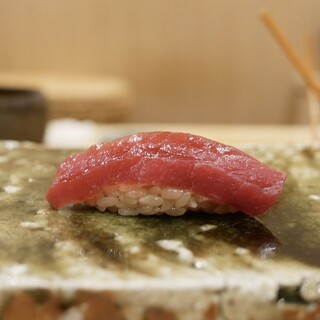
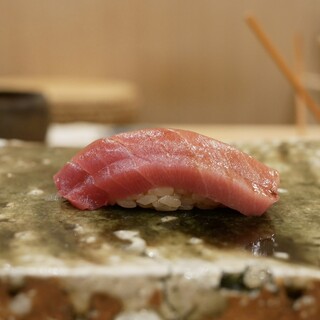
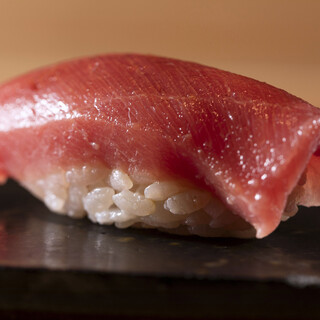
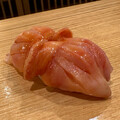
For nigiri, the tuna was as outstanding as ever, the kohada (gizzard shad) was so good, the sawara (Spanish mackerel) and nodoguro (blackthroat seaperch) were rich with fat, and the classic kurumaebi (Japanese tiger prawn), uni (sea urchin), and anago (conger eel) made today great too!!
Source:中崎 健二's review
まーちー4791
The toppings are large. They pair very well with the bigger shari (sushi rice) seasoned with sharp akazu (red vinegar). You can’t go wrong with the shellfish, and the winner of the day was the simmered hamaguri (clam). In a word, every piece was wonderful. The nigiri kept coming so smoothly, and the two and a half hours flew by. It was a great meal.
Source:まーちー4791's review
Selected for Tabelog Sushi TOKYO "Tabelog 100" 2025
Sushi Keita
Tsukiji Sta. / Sushi
-
JPY 20,000 - JPY 29,999
-
JPY 15,000 - JPY 19,999
-
Monday, Sunday
東京都中央区築地6-6-4
See all reviews for this restaurant
Photograph:東行晋作
Yakitori Honda is a restaurant where you can enjoy yakitori and a wide range of chicken dishes.
Inside, there are 9 counter seats and Semi-private rooms. The space has a refined atmosphere, with careful attention not just to the food, but also to the tableware, the setting, and the textures.
Photograph:城戸誠
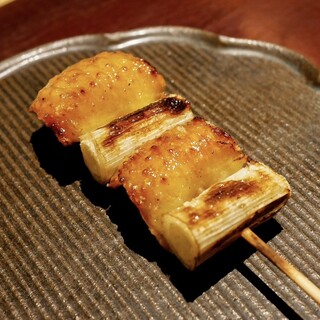
The menu consists only of an Omakase course, and it is said to feature a seasonal lineup centered on yakitori made with Hinai jidori (Hinai chicken).
Aging the Hinai jidori for the right amount of time brings out its flavor, and another highlight is that each cut is seasoned differently with things like balsamic soy sauce and herbs.
Photograph:頑張れ自分
The restaurant has a wine cellar, which is another big draw, letting you enjoy wines kept under careful control. You can also get pairing advice matched to (Each) cut of yakitori (grilled chicken skewers).
They also stock Japanese sake, beer, and hard liquor, so there are many different ways to enjoy your meal.

へべれけ商社マン
Each part is skewered in just the right size, and the taisho (head chef) grills them to a perfect medium-rare. Bonjiri (chicken tail), seseri (neck meat), gizzard, liver...every part is wonderfully delicious, but the one that lets you enjoy the best of Hinai Jidori (Hinai chicken) is kashiwa (chicken thigh)...it is juicy with a nice bounce, and every bite brings out its richness and umami, making it the best~♪
Source:へべれけ商社マン's review
ゆはも
They focus on a single course. The ingredients, texture, taste, and grilling of the yakitori (grilled chicken skewers) are all excellent, and the dishes served along the way keep things interesting. The drinks go down easy.
Source:ゆはも's review
Selected for Tabelog yakitori EAST "Tabelog 100" 2025
Yakitori Honda
Shintomicho Sta. / Yakitori (Grilled chicken skewers), Chicken dishes, Oyako-don (Chicken and egg bowl)
-
JPY 15,000 - JPY 19,999
-
-
-
Sunday
東京都中央区湊3-5-1エス・ユービル 1F
See all reviews for this restaurant
Luxury restaurants in Tsukiji [Budget from JPY30,00050,000]
Photograph:rtake57
Sushidokoro Yamato is a high-end sushi restaurant located a 3-minute walk from Tsukiji Station on the Tokyo Metro Hibiya Line.
Step through the noren (traditional shop curtain), and you will find a fresh, refined space. The L-shaped counter seating offers a luxurious time.
Photograph:まいウー
The Omakase course starts with otsumami (small appetizers) and then moves on to nigiri sushi. They use aged Koshihikari rice from Toyama Prefecture for the shari (sushi rice) and cook it in a hagama (traditional iron pot).
The shari has a clear note of red vinegar, with distinct grains and a texture that gently loosens in the mouth.
Photograph:huchang
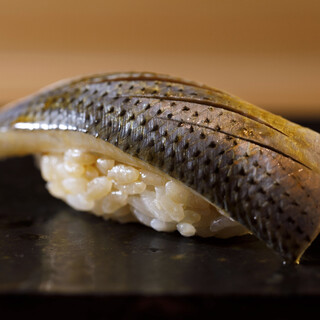
In the Omakase course, the first nigiri served is the restaurant's specialty kohada (gizzard shad).
They adjust the curing with vinegar and salt based on the fish's condition that day, and the clean acidity is said to bring out kohada's rich flavor even more.
Yuta_0911
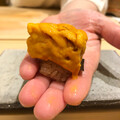
Both the small plates and the nigiri (hand-formed sushi) were amazingly good, and every dish left a vivid impression. The one that stood out most was the sayori (halfbeak) nigiri that appeared midway through the meal. The fish, with its moisture balanced to perfection, was juicy and had just the right springy texture, while the aroma of the skin and its faint sweetness spread across the palate in a superb piece of nigiri.
Source:Yuta_0911's review

グルメな英ちゃん
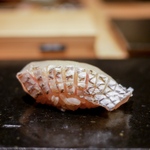
The sushi is beautiful. The surface of the neta (topping) shows lovely gradations of color, and some even look as if they were designed with patterns. The shape itself is pure beauty. It melts in your mouth, and I loved the flavor of each individual grain of rice. One of the charms here is also the chef’s gentle yet dignified and fun personality.
Source:グルメな英ちゃん's review
The Tabelog Award 2026 Bronze winner
Selected for Tabelog Sushi TOKYO "Tabelog 100" 2025
Sushi Dokoro Yamato
Tsukiji Sta. / Sushi
-
JPY 30,000 - JPY 39,999
-
JPY 30,000 - JPY 39,999
-
-
東京都中央区築地3-7-2第五銀座ウェスト築地ビル 1F
See all reviews for this restaurant
Photograph:プニプニ51
Nihon Ryori Kutani is a fine dining restaurant where you can enjoy Japanese cuisine prepared with skill and a sharp sense of style. When you open the door, a poised space unfolds before you, with the contrast between the white walls and red napkins leaving a strong impression.
The Private room can accommodate up to 6 people, making it a great place to spend Special time with someone important.
Photograph:東京ぐるめさん
The owner-chef, who is from Fukuoka Prefecture, opened Nihon Ryori Kyutan after honing his skills at Japanese restaurants in Los Angeles and Japan.
While valuing the classics, he serves dishes that bring in his own unique sensibility.
Photograph:raccostar
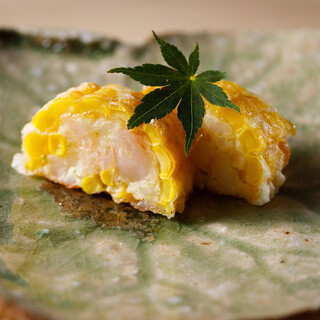
The course stands out for its varied flow, with fried dishes appearing at the start and temaki-zushi (hand-rolled sushi) served along the way. It is the kind of course you can enjoy all the way through without getting bored.
They are also particular about the dashi, using Hokkaido ma-kombu kelp and honkarebushi (fully cured bonito flakes) from Kagoshima Prefecture for the ichiban-dashi (first dashi).

kevche1
At the counter, the taisho (head chef) and the staff were all very kind, and the quality of the food was outstanding. I was happy to enjoy the winter seasonal limited menu this time. The abalone was cooked to perfection, and the soft roe on rice was so good that I left with a full stomach and Manzoku. The wine service was also excellent. The glassware was wonderful, and the wine service was attentive throughout.
Source:kevche1's review
食結びの参拝人
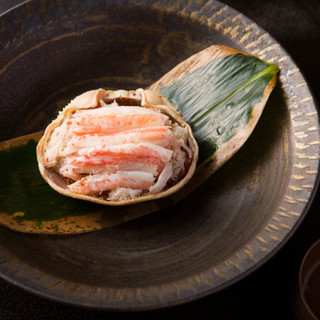
The stars of the day were kani (crab) and matsutake (pine mushrooms). Kutan’s cooking does not rely on gimmicks. It wins you over with ingredients at their very best. That is exactly why you will want to come back every time the season changes. Naturally, your hand reaches for Japanese sake. Rather than saying good food makes the Japanese sake go down easy, it is more like “the Japanese sake becomes essential.” They always serve that kind of pairing.
Source:食結びの参拝人's review
The Tabelog Award 2026 Bronze winner
Selected for Tabelog Japanese cuisine TOKYO "Tabelog 100" 2025
Japanese cuisine Kutan
Shintomicho Sta. / Japanese Cuisine
-
JPY 40,000 - JPY 49,999
-
-
-
Sunday
東京都中央区新富2-5-5新富MSビル 1F
See all reviews for this restaurant
Photograph:メイプル♡
A high-end restaurant where you can enjoy pairings of Edomae-zushi (Tokyo-style sushi) and drinks. It is on the first floor of a building, a 1-minute walk from Tsukiji Station on the Tokyo Metro Hibiya Line.
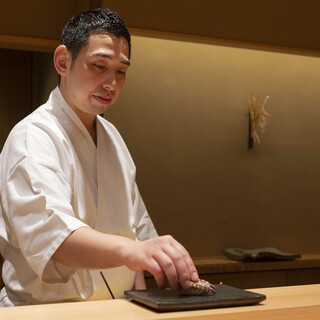
The counter made from Yoshino hinoki (Japanese cypress) creates a refined space. The chef's lively conversation is also popular.
Photograph:ろぃたん
The sushi toppings use fresh fish that the owner personally goes to the market for every morning and selects with care. Through careful preparation, they bring out the fish’s natural appeal as much as possible.
For the shari (sushi rice), they blend four kinds of aged vinegar to create a better balance with the toppings.
The course mixes sushi with a la carte dishes and features about 10 items. The a la carte dishes made with hamaguri (hard clam) and awabi (abalone) are also popular.
By cooking the hamaguri slowly and carefully, it is said to achieve a tender texture.

田中青葉
The solid skill of the craftsmen comes through in the nigiri, made with shari (sushi rice) seasoned with aged vinegar and carefully selected seasonal seafood, each piece letting you feel the full flavor of the ingredients and the delicate work behind it. Carefully cooked à la carte dishes featuring awabi (abalone) and hamaguri (clam), among others, add new expression while respecting Edomae (traditional Tokyo-style sushi) tradition, filling your mouth with rich flavor.
Source:田中青葉's review

LEO
What stood out most was the fourth dish, unagi (eel). The egg yolk sauce was exceptionally good. The sakura-masu (cherry salmon) also came in a large cut, which made its rich flavor come through clearly. The kuro-awabi (black abalone) was large, and abalone really does taste better when it is bigger. It had great balance with the liver sauce and was perfect.
Source:LEO's review
Sushi Tada
Tsukiji Sta. / Sushi
-
JPY 30,000 - JPY 39,999
-
-
-
Sunday
東京都中央区築地2-5-7ACN築地2丁目ビル 1F
Reserve online now
See all reviews for this restaurant
Photograph:基本的には麺類
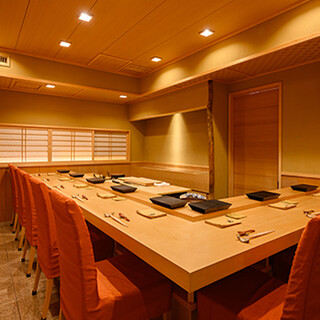
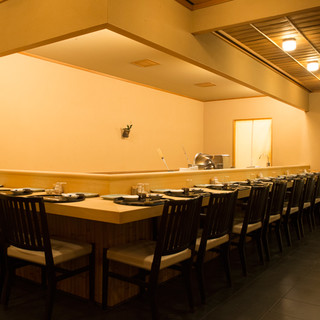
Seiju is a high-end tempura specialty restaurant near Tsukiji Honganji (Tsukiji Honganji Temple). Inside, surrounded by kyo-kabe (Kyoto-style plaster walls), the tableware and interior also have a Japanese feel.
There are only 13 counter seats, and the sound of tempura frying is said to echo pleasantly through the quiet space.
Photograph:YAMAKAI
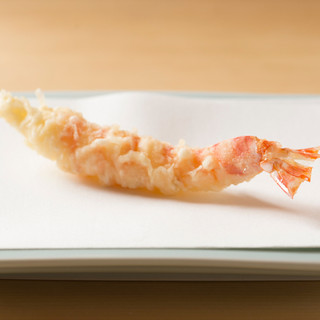
The restaurant uses ingredients sourced from Tsukiji Shijo (Tsukiji Market) and prepares them with great care, never cutting corners. The tempura is finished with precise frying, bringing out the light texture of the thin batter and the full flavor of the ingredients.
They also use taihaku goma-abura (light sesame oil) as the frying oil.
Photograph:0e88aa
In the course, they serve not only tempura but also small palate-cleansing snacks. To finish, you can choose either a tempura Rice bowl or tencha.
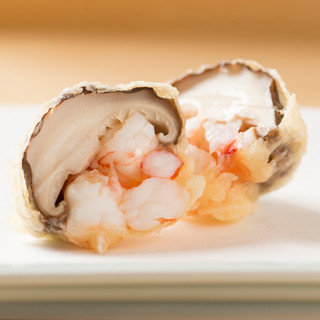
The tempura Rice bowl is a satisfying dish made with kakiage (mixed tempura fritter) of shrimp and kobashira (small scallops), dipped in a slightly sweet sauce.

ぽよ腹アンナ
Two shrimp... up to that point is fairly common, but the second one was surprisingly rare! The thin batter was nicely crisp, while the center stayed plump and rare, which was impressive. It was my first time trying rare-fried shrimp. It really won me over right from the start. The chestnuts and soft roe, only available this time of year, were also excellent.
Source:ぽよ腹アンナ's review
白ひげ87
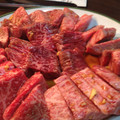
Hamo (pike conger) and awabi (abalone), both known as premium ingredients, are impressively good. Then there is the soup, which really shows the high level of Japanese cooking technique. The fresh junsai (watershield) also has a great texture. When katsuo (bonito) is served as sashimi, this is no longer just a tempura restaurant. The seasonal maru-nasu (round eggplant), ginger, and vegetables are also fried with real elegance. The tempura, carefully served while changing the oil many times, can only be described as wonderful.
Source:白ひげ87's review
Selected for Tabelog Tempura "Tabelog 100" 2025
Seiju
Tsukiji Sta. / Tempura
-
JPY 30,000 - JPY 39,999
-
-
-
Monday
東京都中央区築地3-16-9アーバンメイツビル B1F
Reserve online now
See all reviews for this restaurant
Tsukiji's high-end restaurants [Budget: JPY50,000~]
Photograph:bottan
Ginza Hirayama is a high-end restaurant known for its charcoal grilled steaks. Rather than focusing on any one production region, it uses Special A5-ranked kuroge wagyu (Japanese Black Wagyu).
The seating is centered around a counter surrounding the kitchen, and one of its main draws is the live feel of watching the cooking right in front of you.
Photograph:tomo.whatup
The steaks are cooked slowly for about 30〜40 minutes while letting the excess fat drip away.
They are said to have a great balance of lean meat and fat, with a moist and tender texture. Without using salt or pepper, the restaurant brings out the natural flavor of the ingredients as much as possible.
Photograph:tatatata777
For both lunch and dinner, they offer an Omakase course built around steak as the star. From Appetizers to dessert, the course has a refined and elegant flow, and the menu changes daily.
They also sometimes serve dishes featuring premium ingredients such as awabi (abalone), caviar, and white truffle.

tatatata777
The truffle omelet had diced truffle inside, and the texture was tasty too, with a great aroma, making it excellent. The truffle baked in puff pastry was luxuriously indulgent too.
Source:tatatata777's review

Maignan
The salad lets the flavor of each different vegetable shine, and it reminds you just how good vegetables can be. The kegani (horsehair crab) and avocado, awabi (abalone) topped with caviar, matsutake (pine mushroom) fry, tartare, and (assorted varieties available) desserts all show that the ingredients are Special selected, their flavor carefully brought out with the best cooking method for each.
Source:Maignan's review
Selected for Tabelog Steak・Teppanyaki EAST "Tabelog 100" 2025
Ginza Hirayama
Tsukijishijo Sta. / Steak
-
JPY 80,000 - JPY 99,999
-
-
-
Sunday, Public Holiday
東京都中央区銀座7-17-1武蔵野ビル1F
See all reviews for this restaurant